Eden Schmidt · 2 October 2026
Unified Ticketing App Bridges Warsaw Metro Fares with Regional Rail Services
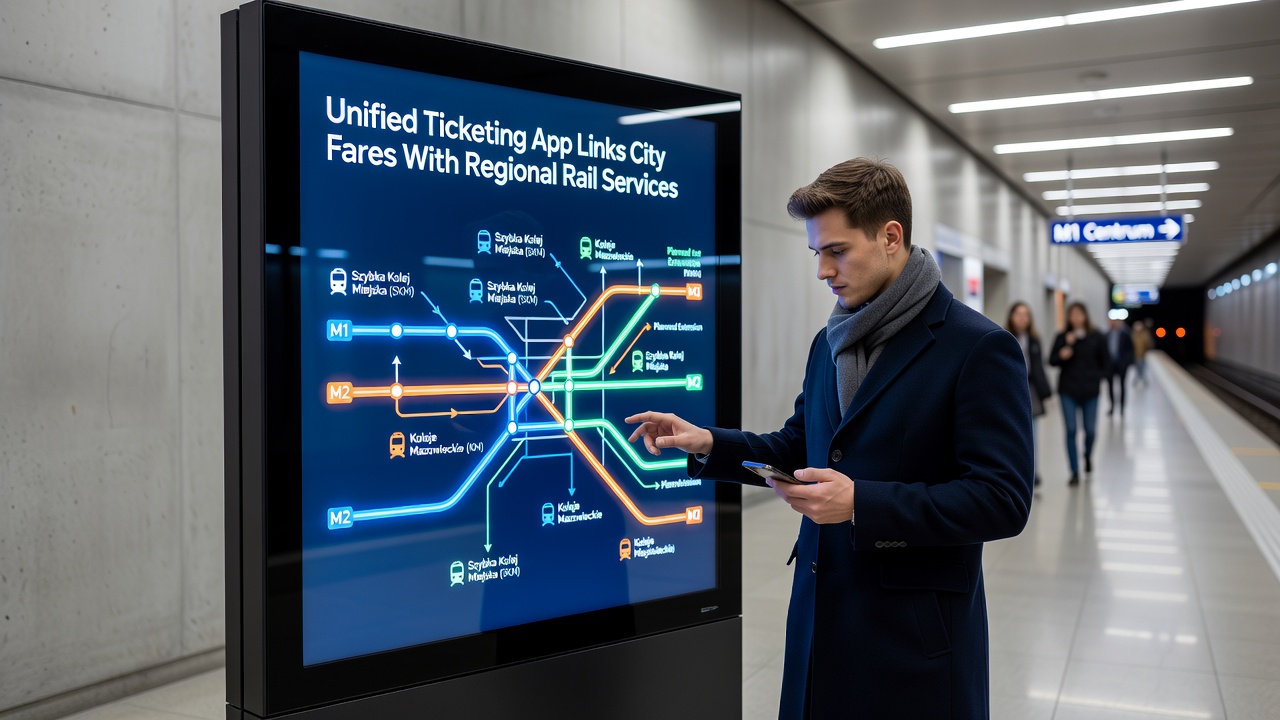
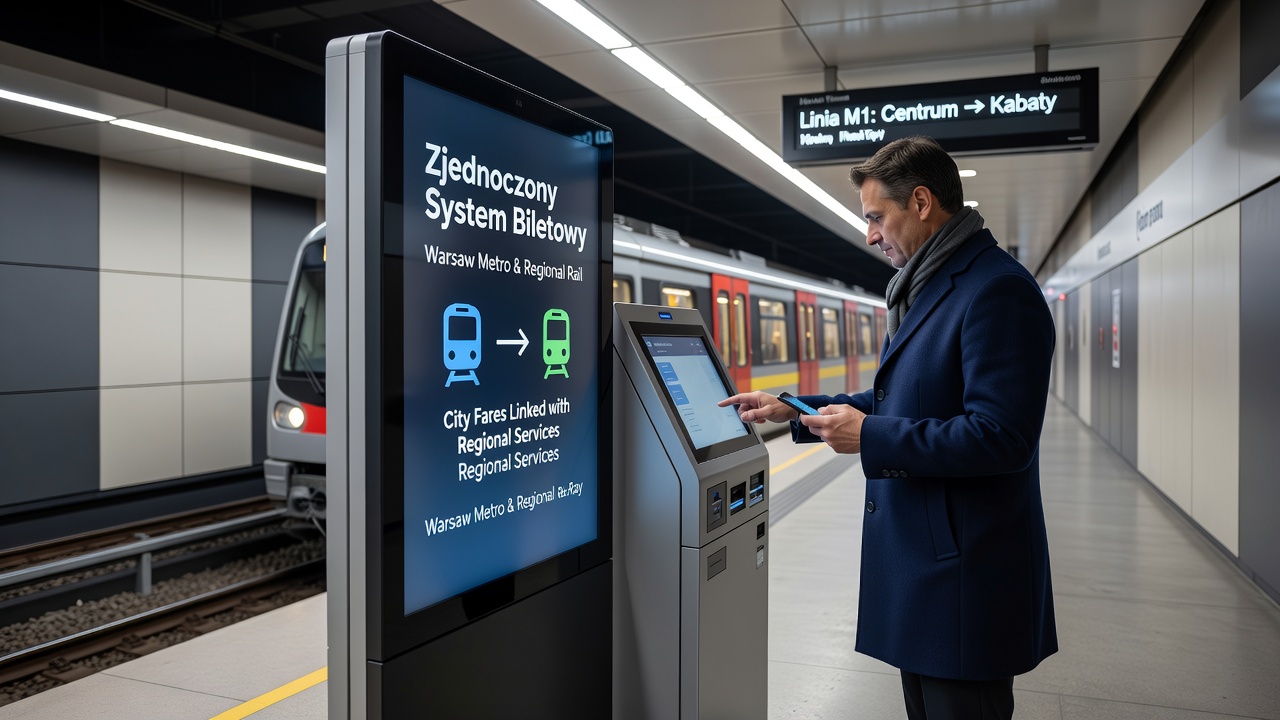
Transport authorities in Warsaw launched a unified ticketing application that connects city metro fares directly with regional rail services, allowing passengers to purchase single tickets covering multiple modes of travel across the metropolitan area and surrounding routes. The application processes payments through a centralized platform where users select journeys that combine metro segments with rail connections without needing separate purchases at each transfer point.
System Architecture and Payment Flow
Developers built the app around an API that pulls real-time data from both Warsaw Metro operators and regional rail providers, calculating fares based on distance traveled and transfer times while applying discounts for combined tickets. Passengers open the app, enter origin and destination details, and receive options that factor in peak adn off-peak pricing along with any available seasonal passes; once selected, the ticket activates via QR code scanning at entry gates or on trains. Data indicates this integration reduced average transaction times at stations by streamlining what previously required multiple validations across separate systems.
Observers note that the platform incorporates geolocation features to suggest optimal routes during service disruptions, rerouting users toward available rail alternatives when metro lines experience delays. The application also stores travel history for frequent commuters, enabling automatic suggestions for weekly or monthly bundles that link metro usage with rail extensions beyond the city boundary.
Rollout Timeline and October 2026 Milestones
Initial testing phases began in early 2025 with limited user groups, expanding to public beta access by mid-year before the full operational launch scheduled for October 2026. During that month transport officials completed backend synchronization between city and regional databases, ensuring that fare adjustments applied uniformly across both networks without manual intervention at individual terminals. Figures from the Warsaw transport authority show that by the end of October 2026 over 150,000 active accounts had registered, with daily ticket issuances exceeding 80,000 combined journeys.
Regional Rail Connections and Coverage Expansion
The app extends coverage to rail lines serving suburbs and nearby towns, incorporating routes operated under the Masovian Voivodeship authority while maintaining consistent pricing structures for transfers within defined zones. Users traveling from central Warsaw stations to outlying areas receive tickets that validate entry on both metro platforms and regional trains, eliminating the need to exit and re-purchase at interchange points. According to data compiled by the European Commission mobility reports, similar integrated systems in other EU cities have shown measurable increases in public transport ridership when fare barriers between modes decrease.
Technical teams addressed compatibility challenges by aligning data formats from legacy rail ticketing hardware with newer metro contactless readers, allowing the app to function across equipment installed at different times. Those who've studied the implementation note that pilot programs identified and resolved edge cases involving multi-leg journeys that cross zone boundaries multiple times, leading to refined algorithms that handle such trips without overcharging.
Data Security and User Accessibility Measures
Security protocols encrypt all transaction and location data transmitted through the app, complying with EU data protection standards while providing users with options to manage stored payment methods and delete travel records. Accessibility features include voice-guided navigation for route selection and adjustable text sizes, ensuring that individuals with visual impairments can complete purchases independently. Transport planners coordinated with regional rail operators to install additional validators at key interchange stations, supporting the increased volume of app-based entries expected after the October 2026 activation.
One study revealed that integration of this type supports smoother passenger flows during morning and evening peaks, as fewer people queue at separate counters for rail supplements. The reality is that continued updates will incorporate feedback from initial users, with plans to add multi-language support and integration with third-party mapping services for broader route visualization.
Conclusion
The unified ticketing application represents a step toward coordinated urban and regional mobility in the Warsaw area, linking metro operations with rail services through a single digital interface that handles fare calculation and validation. As the system matures following its October 2026 rollout, ongoing data collection from the platform will inform adjustments to pricing zones and service coordination between the involved operators. Passengers benefit from reduced friction in multi-modal travel, while authorities gain consolidated insights into usage patterns across the combined network.