Yara Powell · 2 September 2026
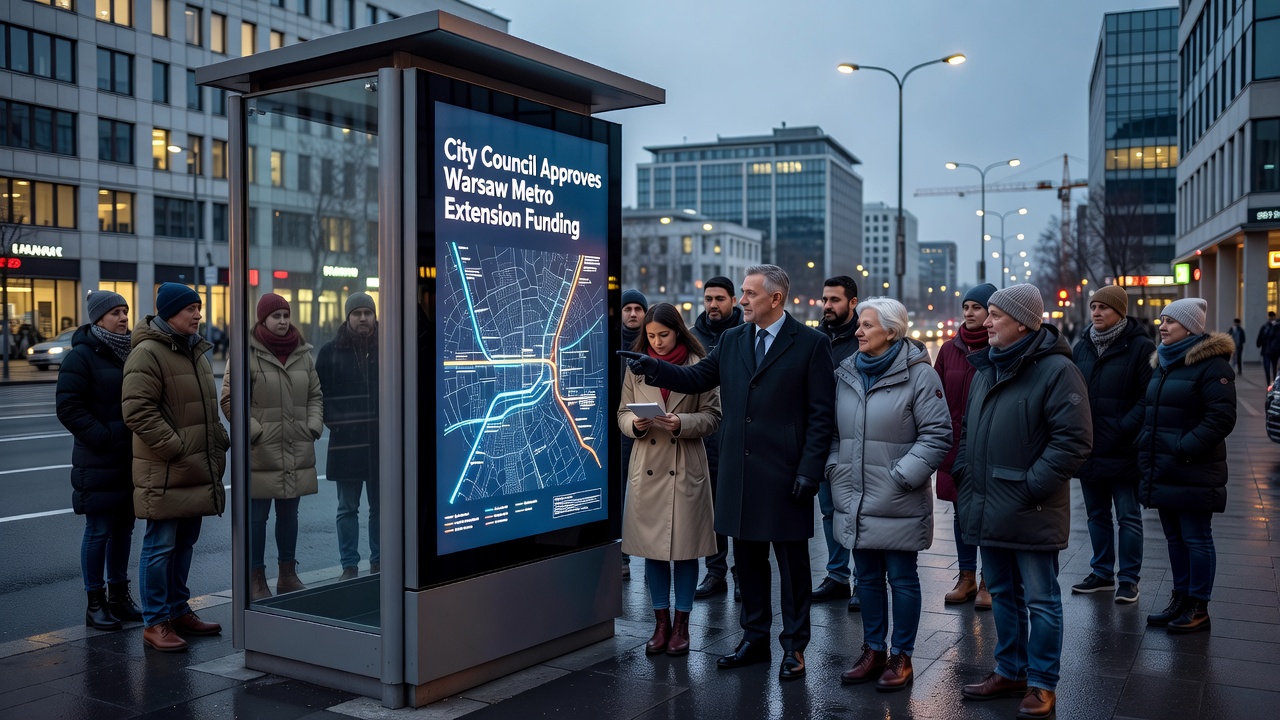
The Warsaw City Council has given its approval to a major funding package for extending the Warsaw metro system. This move is set to enhance connectivity across the metropolitan area and address growing demands for efficient public transportation.
Funding Allocation and Project Details
The council allocated 1.2 billion Polish zloty for the project, which will extend the M2 line by approximately 4 kilometers. Three new stations are planned: one near the Vistula River, another in the Praga district, and a terminal station serving the eastern suburbs. Construction is slated to start in the first quarter of 2025, with an estimated completion date in late 2028. The funding covers not only civil engineering works but also advanced safety features and accessibility improvements for all passengers. Project managers have coordinated with utility companies to avoid delays from underground infrastructure conflicts. Regular progress reports will be made available to the public through the city's transportation department website. The decision follows extensive studies showing high ridership potential in the targeted areas. Funding sources include municipal bonds and contributions from national infrastructure programs.
Expected Benefits for Residents and Commuters
Commuters stand to benefit from reduced travel times and increased capacity during peak hours. The extension is projected to serve an additional 50,000 passengers daily once operational. Local businesses along the route expect a boost in foot traffic, contributing to economic vitality in previously underserved neighborhoods. Environmental groups have welcomed the initiative, citing potential reductions in carbon emissions from fewer private vehicle trips. Urban planners view this as a key component in Warsaw's sustainable development framework, promoting denser, transit-oriented communities. Challenges such as land acquisition and noise mitigation during construction have been addressed in the planning documents. Integration with bus and tram networks will be optimized to create seamless multimodal journeys. Accessibility features will include elevators, tactile paving, and real-time information systems. Overall, the approval reflects a commitment to modernizing the metropolitan transportation hub for future generations.